
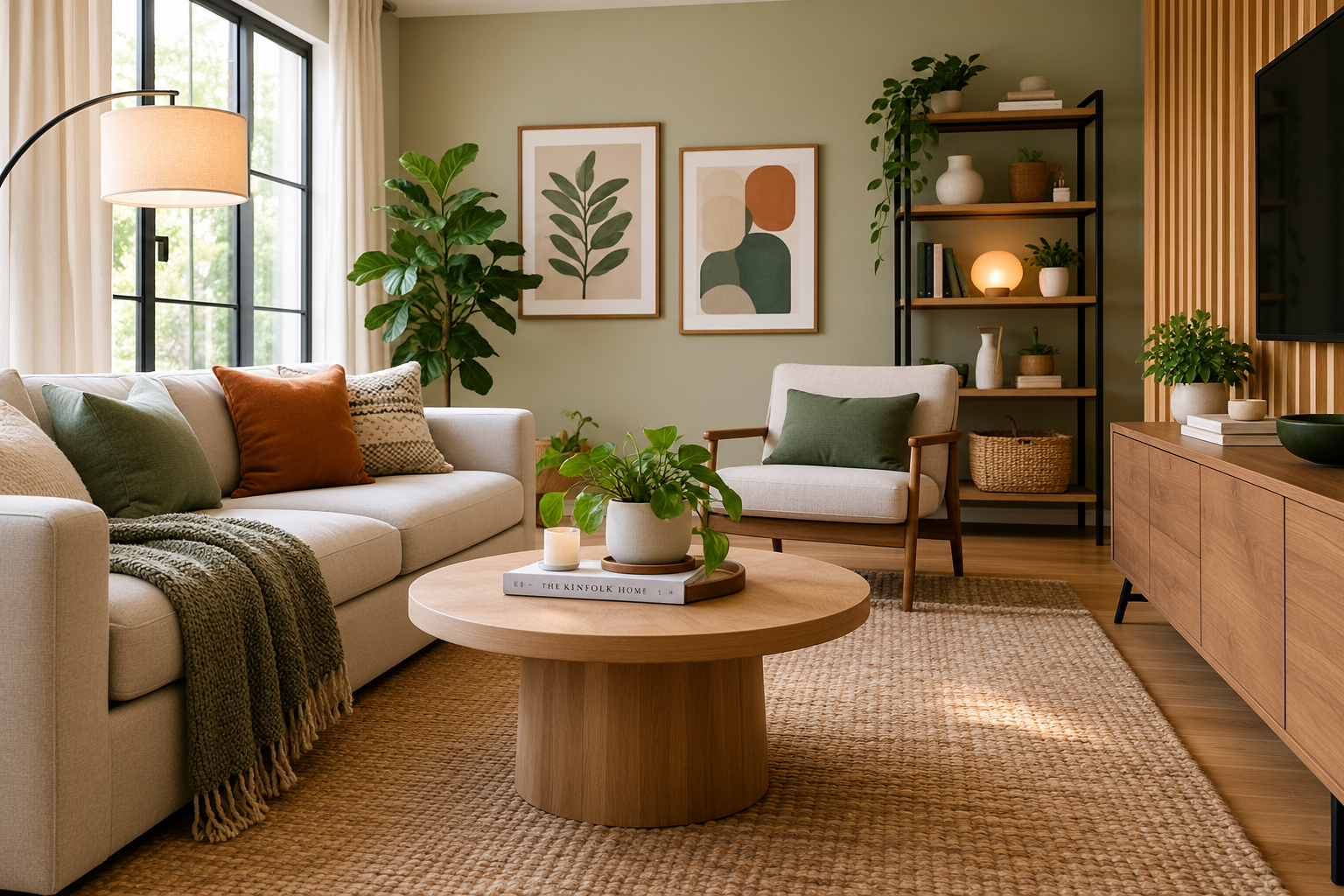
Anyone who has spent even a few minutes rearranging furniture or picking out a new rug knows there’s something quietly satisfying about shaping the space you live in. That feeling is exactly why interior design is interesting mintpaldecor as a topic keeps drawing curious readers, hobbyists, and homeowners back for more. It isn’t just about matching colors or following trends — it’s about how a room makes you feel the moment you walk into it.
What Makes This Topic Worth Exploring
At first glance, interior design might seem like a subject reserved for professionals with years of training. But the truth is far more approachable. Anyone with a bit of patience and curiosity can learn to read a room, understand proportion, and make thoughtful choices about furniture and layout. This accessibility is a big part of why interior design is interesting mintpaldecor style — it takes design principles that once felt intimidating and presents them in a way that feels doable for everyday people.
Design is also deeply personal. Two people can walk into the same empty apartment and imagine completely different outcomes based on their habits, their taste, and how they want to feel when they’re home. That flexibility is what keeps the subject endlessly engaging rather than formulaic.
The Growing Appeal of Interior Design Today
Over the past decade, interest in home design has grown steadily, fueled by more people spending time at home, social media inspiration, and a general shift toward valuing comfort and personal expression in living spaces. People no longer see their homes as just functional shelters; they see them as extensions of their identity.
This cultural shift explains why so many blogs, videos, and design communities have popped up around the idea that interior design is interesting mintpaldecor enthusiasts find worth following closely. It’s not a passing trend — it reflects a real change in how people prioritize their surroundings, whether they live in a studio apartment or a large family home.
Design also intersects with wellbeing. Studies on environmental psychology consistently show that lighting, clutter, and spatial layout affect mood, focus, and even sleep quality. Once people realize their environment shapes how they feel day to day, the motivation to improve it becomes much stronger.
How a Thoughtful Design Approach Shapes a Home
A good design approach doesn’t start with shopping. It starts with observation — understanding how a space is actually used, where natural light falls throughout the day, and what a person’s daily routine looks like within those walls. This is one of the reasons interior design is interesting mintpaldecor followers often mention: the process rewards patience and attentiveness rather than quick decisions.
Rather than filling a room with trendy items, a more thoughtful method involves asking simple questions. Does this piece serve a purpose? Does it complement what’s already there? Will it still feel right a year from now? These questions turn decorating from a guessing game into a more intentional practice, and the results tend to feel more cohesive and lasting.
Color, Light, and Texture: The Basics That Matter
Every interior, no matter its style, relies on three core elements: color, light, and texture. Color sets the emotional tone of a room — warm tones tend to feel cozy and inviting, while cooler tones often read as calm or clean. Light, both natural and artificial, determines how those colors actually appear throughout the day, which is why many designers recommend testing paint samples at different times before committing.
Texture is the element people overlook most often, yet it’s what keeps a room from feeling flat. A mix of smooth, woven, matte, and glossy surfaces adds depth even in a simple color palette. When these three elements work together, a room feels balanced rather than accidental — which is part of the reason interior design is interesting mintpaldecor discussions so frequently return to these fundamentals rather than fleeting trends.
Small Changes That Make a Big Difference
Not every improvement requires a full renovation. Some of the most noticeable transformations come from small, deliberate changes: swapping outdated light fixtures, rearranging furniture to improve flow, or adding a few well-placed plants. These low-cost adjustments often have a bigger visual impact than people expect.
Rugs, for instance, can define separate zones within an open floor plan without the need for walls. Mirrors can make a small room feel larger by reflecting light and creating a sense of depth. Even decluttering a single shelf can shift how an entire room feels. These small wins are often what convince people that interior design is interesting mintpaldecor readers can actually apply themselves, without hiring a professional for every decision.
Balancing Function and Style at Home
One of the more challenging parts of design is balancing how a space looks with how it actually works. A stunning living room isn’t very useful if there’s nowhere comfortable to sit, and a perfectly organized kitchen loses its charm if it feels cold and uninviting.
The best interiors manage to blend both priorities. Storage solutions can be stylish rather than purely practical. Seating can be arranged to encourage conversation rather than facing a wall. This balancing act is part of what makes the subject so layered — there’s rarely a single “correct” answer, only choices that suit a particular lifestyle. It’s a recurring theme in conversations where interior design is interesting mintpaldecor communities exchange ideas, since practical solutions often spark just as much discussion as aesthetic ones.
Why People Turn to Design Inspiration Online
With so many options available, it’s no surprise that people increasingly look online for guidance before making decisions in their own homes. Photos, mood boards, and design walkthroughs help people visualize possibilities they might not have considered on their own. This kind of inspiration doesn’t replace personal taste — it sharpens it, giving people a starting point they can adapt to their own space and budget.
This is also where niche design blogs and communities play a meaningful role. They break down complex ideas into digestible pieces, helping newcomers understand why certain combinations work while others fall flat. It’s a big reason interior design is interesting mintpaldecor followers keep coming back — the ongoing exchange of ideas keeps the subject feeling fresh rather than repetitive.
Common Mistakes to Avoid
Even enthusiastic beginners tend to make a few recurring mistakes. Overcrowding a room with too many statement pieces is one of the most common, since it competes for attention instead of creating harmony. Ignoring scale is another — furniture that’s too large or too small for a room throws off the entire balance, no matter how nice individual pieces look on their own.
Rushing the process is a third pitfall. Design decisions made in a single weekend rarely age as well as those made gradually, with time to live in a space and notice what’s actually missing. Avoiding these mistakes doesn’t require expertise, just a willingness to slow down and observe before committing to a purchase.
Bringing It All Together
At its core, good design isn’t about following rigid rules — it’s about creating a space that feels functional, comfortable, and true to the people living in it. Whether someone is furnishing a first apartment or refreshing a long-time family home, the same principles apply: understand the space, prioritize how it’s used, and make changes gradually rather than all at once.
That ongoing sense of discovery is ultimately why interior design is interesting mintpaldecor discussions continue to attract new readers. There’s always another layout to try, another color palette to test, or another small adjustment that changes how a room feels. The subject rewards curiosity, and that’s exactly what keeps people engaged long after their first project is finished.
FAQs
Is interior design only for people with a big budget?
No. Many of the most effective changes, like rearranging furniture, decluttering, or adding textiles, cost very little but make a noticeable difference in how a room feels.
How do I know if my color choices will actually work in my space?
Test samples in the actual room at different times of day. Lighting changes how colors appear, so what looks good in a store may look different at home.
Do I need to follow current design trends to have a nice home?
Not at all. Trends can offer inspiration, but a home designed around personal habits and preferences tends to feel more comfortable and lasts longer than one built purely around what’s popular.
What’s the easiest place to start when improving a room?
Start with decluttering and lighting. These two changes are inexpensive, quick to implement, and often reveal what a space actually needs next.
Would you like me to save this as a downloadable file (Markdown or Word doc)?
